Digital Wellness · Lucerne & Switzerland
Digital tools can do so much. They just all talk at once.
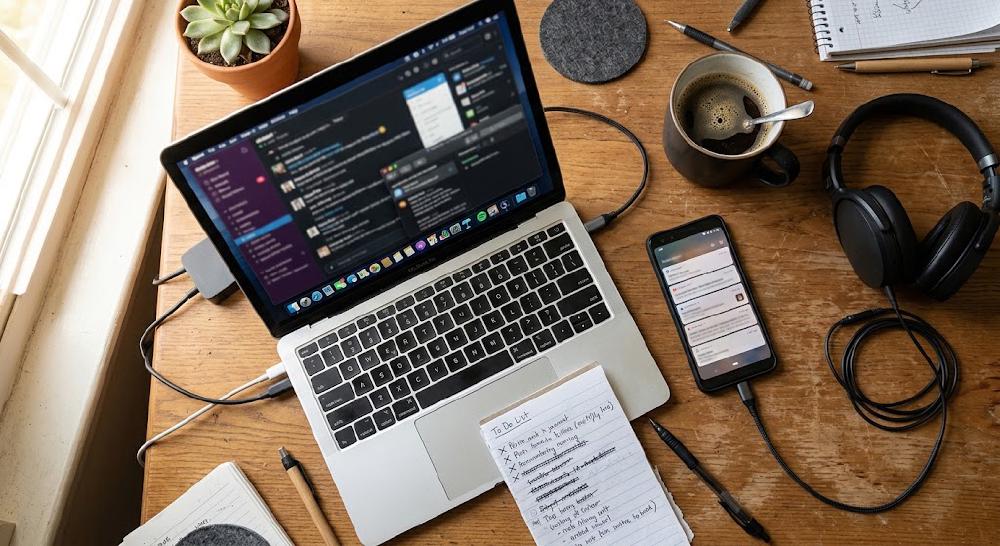
Something pings every two minutes: a chat, a calendar invite, a newsletter you never signed up for. No device asks whether now is a good time. We sort that out with you – which alert still gets through, which channel stays, what you build as a habit instead. For teams and for individuals.

The blind spot in workplace health
Companies invest more in mental health and employee wellbeing than ever – and exhaustion keeps rising. What's missing from the equation is the digital workday itself: chat messages that cut through every stretch of concentration, video call marathons, availability deep into the evening.
Conventional workplace health programmes barely have this factor on their screen – it is the missing metric. We make it visible, measurable and changeable.
Offers for companies
Four formats, transparent prices. All technology-agnostic, all tailored to your team.
The Missing Metric: the impulse workshop that makes digital distraction and its costs visible. Up to 20 people or as a keynote.
from CHF 1'200Connected, not Distracted: assess the status quo in your team and develop strategies for your communication culture.
from CHF 1'400The Digital Design: clarify your digital work culture – with an optional leadership block and practical exercises.
from CHF 2'400Continuous support: from analysis to realistic standards to change management.
on requestHow we work
Measure
Baseline assessment with validated questionnaires: how strained is your team really – and by what? We don't guess, we measure.
Implement
Measures that fit your work culture – from availability rules to the technical setup of focus times. No lectures about less screen time, but structures in which focused work becomes possible again.
Anchor
Involve leaders, readjust, stay on it. A culture that doesn't preach digital balance but lives it.
How we know what we're talking about

And if it's not about a company, but about you?
Your digital life, your rules. We sit down with you in front of your devices: defuse push notifications, clear out folders and files, go through your subscriptions. Then we build the habits that keep it from looking the same again in three months. Also for anyone who has just moved to Switzerland and wants to set things up properly from the start.
- Free 15-minute initial conversation
- Assessment (2 hrs) for CHF 220
- Guidance (5 hrs) for CHF 500 – incl. email support
Ready for a free initial consultation?
15 minutes, no obligation. We find out whether and how we can best support you.